Renewable Energy
Biogas Pakistan
A waste-to-energy plant planned for the Lahore region, converting rice straw, market waste, slaughter waste and sewage sludge into methane — and methane into electricity, jobs and clean air.
Explore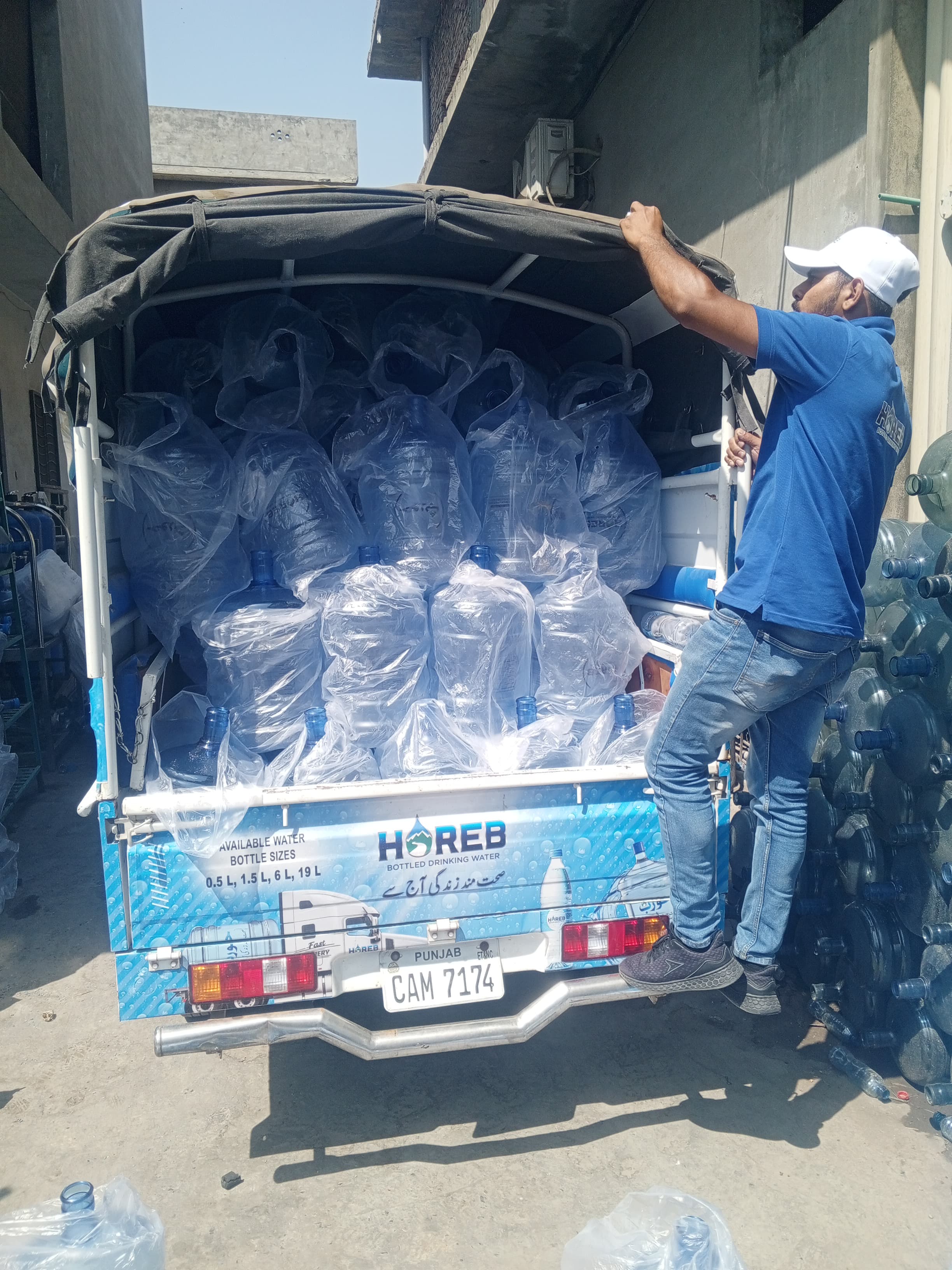
Energy. Safe water. Nutrition. Honest work. Four ventures I lead, each aimed at a shortage that is real, measurable and unglamorous to fix.
I have run these since 2020, working alongside Dutch technical partners and a Pakistani workforce trained on the job.
Renewable Energy
A waste-to-energy plant planned for the Lahore region, converting rice straw, market waste, slaughter waste and sewage sludge into methane — and methane into electricity, jobs and clean air.
Explore
Water Infrastructure
Filtered, bottled drinking water produced at Horeb’s own plants and delivered to the door — in a country where 62% of tested water sources came back unsafe to drink.
Explore
Health & Wellness
Moringa oleifera — known in Urdu as sohanjna — grown, milled and pressed in Pakistan into powder, oil and tablets. A genuinely protein-dense leaf, described honestly.
Explore
Artisan Craft
Hand-felted woollen shoes, formed as one seamless piece by women who do the felting better than any machine — from the coarse Pakistani wool that is exactly wrong for a sweater and exactly right for a shoe.
Explore4
Operating ventures
Energy, water, nutrition and craft
1 MW
Planned biogas unit
≈8,000,000 kWh of green electricity a year
60,000 T
Annual feedstock
Straw, market waste and sludge diverted from dumps
3
Horeb water plants
Filtered, bottled and delivered
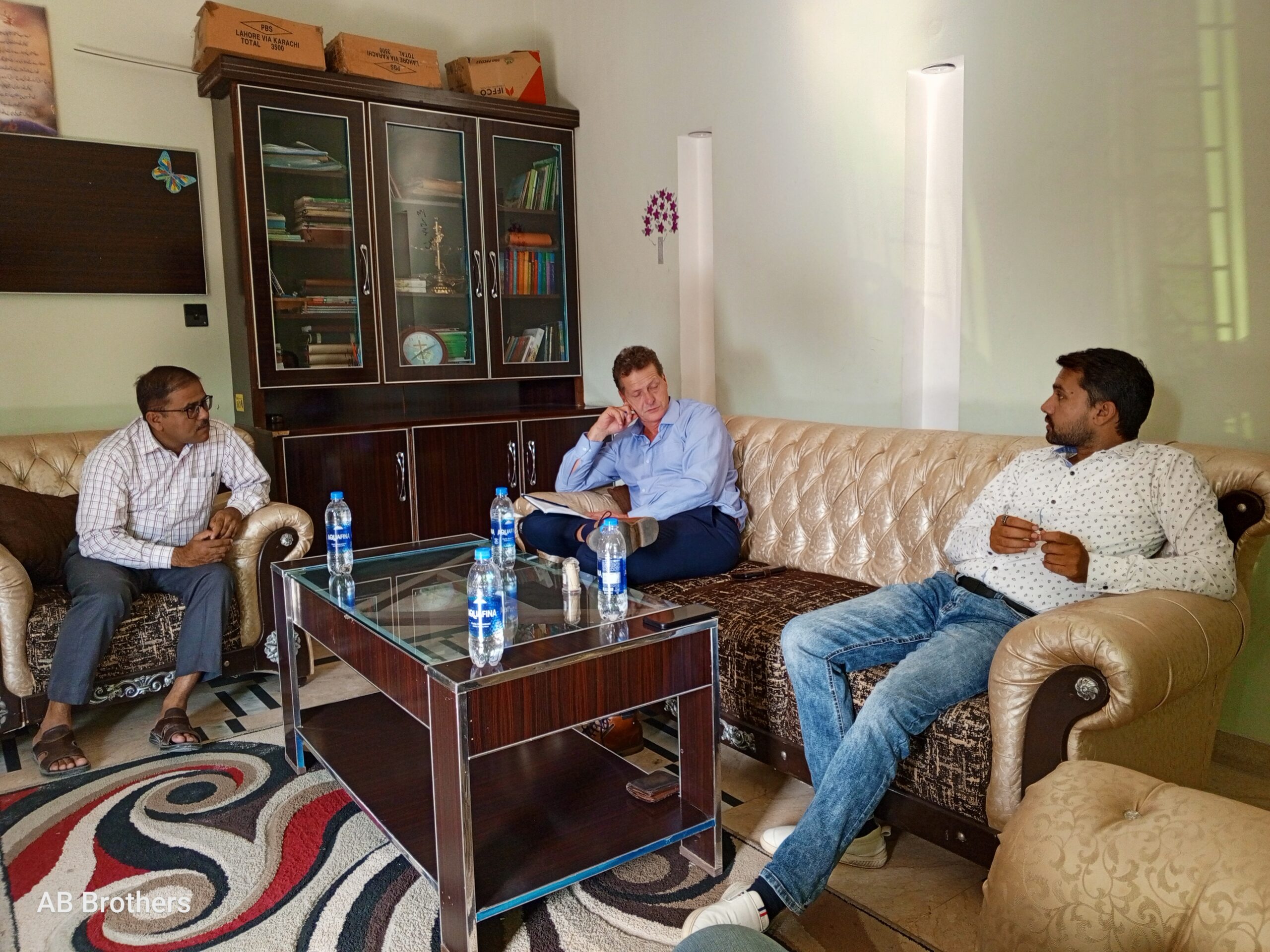
My founding partner, Gerard Woerdenbag, flew into Lahore from Enschede in the Netherlands to look at manufacturing. He found one flight a day getting through the smog — much of it from rice stubble burning at the city’s edge. On the road toward Kasur there was refuse piled along the verges. In the hotel, the power kept cutting out.
Three problems, and on closer inspection one answer. The waste choking the city was also the fuel it was short of. A neighbouring company in Enschede — HoSt, with more than a hundred biogas engineers — already knew how to close that loop.
What began as a biogas plan became a group. Water, because the water was not safe. Moringa, because the land grows it and the diet needs it. Wool, because craft employs people that factories do not. And a welfare arm, because a company that profits from a place has an obligation to it.
Pakistan throws away enough organic matter to run power stations, and then runs short of power. Biogas Pakistan exists in the gap between those two sentences.
8.5 million tonnes
of rice residue is produced in Punjab every year — and between 3.6 and 5 million tonnes of it is burnt, because clearing a field costs a farmer about 34% more than a match.
International Growth Centre102.1 µg/m³
Lahore’s annual average PM2.5 — over twenty times the WHO guideline, and the second-worst of any major city on earth.
IQAir World Air Quality Report 2024~7 years
of life expectancy lost by the average resident of Lahore to particulate air pollution.
Air Quality Life Index, University of Chicago5,389 mmcfd
the gas demand–supply gap Pakistan’s regulator projects by 2029–30. Indigenous production has been falling since 2012.
OGRA, via Associated Press of Pakistan5,360
domestic biogas plants actually delivered in Punjab against a programme target of 300,000. We are not the first to promise this — which is why we lead with the farmer’s economics, not the technology.
Pakistan Domestic Biogas Programme (RSPN/SNV)I am looking for investors in the biogas plant, distributors for Horeb and REV222, and retail partners for EXO35.